The Timeless Game of Mahjong
Mahjong, a classic tile-based game, traces its roots back to ancient China. It combines skill, strategy, and a touch of luck, captivating players worldwide with its intricate gameplay and cultural significance. Often associated with traditional Chinese culture, Mahjong holds a special place in the hearts of millions, blending the old with the new in exciting ways.
Understanding the Basics of Mahjong
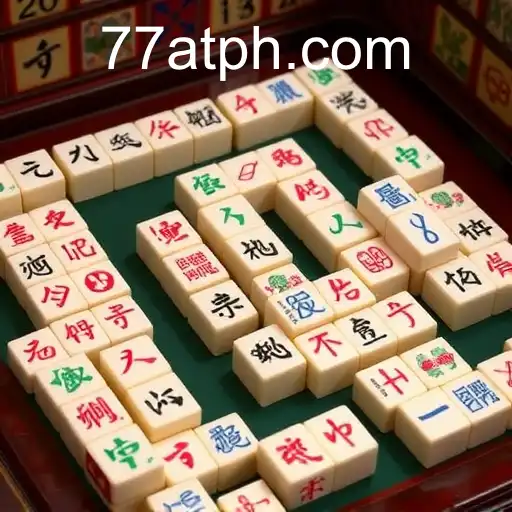
At its core, Mahjong is played with a set of 144 tiles based on Chinese characters and symbols. Each player receives 13 tiles, taking turns drawing and discarding, aiming to form a winning hand using the 14th tile. This goal is achieved through a combination of melds, akin to flushes in card games, which include groups and sequences, known as "pung" and "chow" respectively. The game demands an understanding of complex rules and scoring methods, varying significantly from one region to another.
The Origins and Evolution of Mahjong
The exact origins of Mahjong are somewhat shrouded in mystery, with multiple theories proposing its development. One popular belief is that it evolved from ancient Chinese card games, developing its unique characteristics over centuries. The game's modern form began to crystallize around the late 19th century, gaining immense popularity in coastal regions of China.
By the early 20th century, Mahjong fever had spread across Asia, Europe, and America. The adaptability of its rules lent itself to numerous cultural interpretations, leading to a myriad of versions. This adaptability has kept Mahjong relevant through global transitions, from traditional gatherings to online platforms, drawing both seasoned players and beginners alike to its refreshing challenges.
The Allure of Mahjong in Global Culture
Mahjong thrives as both a traditional pastime and a competitive sport, making strides in fostering global unity. In western countries, it made a significant impact in the 1920s, later establishing a dedicated fanbase. Its intricate patterns and strategic depth invite players into a world of intellectual rigor and excitement, while social elements emphasize camaraderie and competition.
Technological Advancements and Mahjong
The digitization of Mahjong has crucially expanded its reach, introducing young and tech-savvy players to the game. Online platforms and mobile apps have recreated the traditional Mahjong table in a digital space, allowing players to engage in real-time matches globally. This virtual adaptation of Mahjong ensures that the game remains dynamic, accessible, and inclusive to diverse demographic groups.
Mahjong: More Than a Game
Beyond its role as a leisure activity, Mahjong has profound cultural and social implications. It is often a means of connecting generations, preserving traditions, and imparting valuable life lessons. In many cultures, it is also a symbolic display during festivals and family gatherings, acting as a bridge between the past and the future.
In healthcare settings, particularly among the elderly, Mahjong is recommended as a cognitive exercise, promoting mental agility and social interaction. Studies suggest that regular engagement in Mahjong can aid in delaying the onset of cognitive decline, attributing to its therapeutic benefits.
Is Mahjong Right for You?
Whether played in bustling community centers or in the quiet corner of a living room, Mahjong offers a unique blend of relaxation and stimulation. Its accessibility, combined with its depth, makes it suitable for players of all ages and backgrounds. Whether you're seeking a solitary digital experience or the vibrant dynamism of a group session, Mahjong has something for everyone.
The key to mastering Mahjong lies in patience, persistence, and open-mindedness. With its countless strategies and variations, players often embark on a lifelong journey of learning and improvement called "77AT", where every game played offers new insights and understanding.
The Future of Mahjong
As Mahjong continues to evolve, its future seems promising. Its integration into educational curricula and therapeutic programs, along with the growing popularity of Mahjong tournaments, suggests a broader recognition of the game's value. For enthusiasts, it remains a symbol of cultural heritage, unfolding stories and narratives one tile at a time.
While the world shifts around it, Mahjong retains its core identity, celebrating a rich tapestry of tradition and innovation. Whether you are a seasoned strategist or a curious newcomer, the timeless appeal of Mahjong awaits.